How to Spot a Weak Door Lock
A strong door lock is the backbone of your home security. Unfortunately, many homeowners unknowingly rely on locks that are outdated, flimsy, or poorly installed—leaving their property vulnerable to break-ins. Criminals often look for weak locks because they know they can bypass them in seconds.
In this blog, we’ll break down the signs of a weak door lock, why it matters, and what steps you can take to ensure your locks provide real protection.
Common Signs Your Lock is Weak
1. Flimsy Construction
If your lock feels light, hollow, or cheaply made, chances are it won’t withstand much force. Intruders can spot cheap locks and know they’re easier to kick in.
2. Only Using a Knob Lock
Knob locks alone are not secure for exterior doors. They can be easily bypassed with brute force or even a credit card. If you only have a knob lock without a deadbolt, your door is vulnerable.
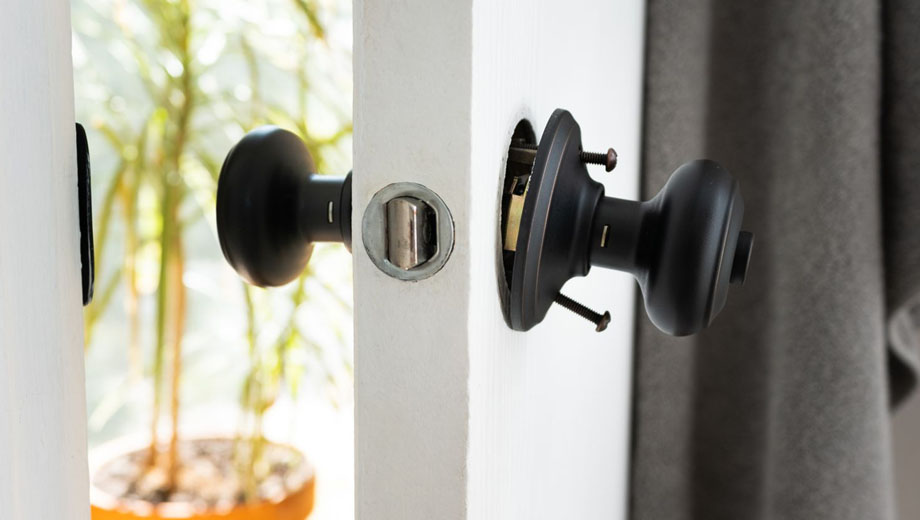
3. Loose or Wobbly Fit
Over time, locks loosen from repeated use. If your lock wiggles or doesn’t sit firmly in place, it means the screws, strike plate, or mechanism are weak.

4. No Anti-Bump or Anti-Pick Features
Lock bumping is a common burglary technique, and older locks without modern technology are easy targets.
5. Visible Wear, Rust, or Damage
Corrosion, cracks, or damage to the lock body or keyway reduces security. Criminals may exploit these weaknesses.
Why Weak Locks Are Dangerous
Burglars don’t want to spend time breaking in—they look for quick access points. A weak lock is essentially an invitation.
- Break-in speed: Cheap locks can be picked or kicked open in under a minute.
- Property damage: A forced entry can damage doors, frames, and strike plates, adding to repair costs.
- Personal safety risk: Beyond stolen property, weak locks put families at risk.
How to Test if Your Lock is Strong Enough
- Try wiggling your lock to see if it feels secure.
- Check if your lock has an ANSI/BHMA grade rating (Grade 1 is strongest).
- Consider whether your lock has pick/bump resistance built in.
- Ask a professional locksmith to perform a quick security assessment.

How to Upgrade a Weak Lock
- Install a Deadbolt
Deadbolts provide far more protection than knob locks. A Grade 1 deadbolt with a one-inch throw is the standard recommendation. - Use Reinforced Strike Plates
The strike plate is often the weakest point of a lock system. Reinforcing it with 3-inch screws and heavy-duty metal can prevent kick-ins. - Choose High-Security Brands
Locks like Medeco, Mul-T-Lock, or Schlage Primus are designed to resist picking, bumping, and drilling. - Upgrade to Smart Locks with Caution
Smart locks provide convenience but should always be paired with a strong deadbolt. - Routine Maintenance
Clean, lubricate, and tighten your locks regularly. A well-maintained lock lasts longer and works more reliably.
San Antonio-Specific Safety Note
Many San Antonio neighborhoods are experiencing growth, which also increases property crime in certain areas. Criminals often target homes with weak security features, especially during the day when residents are at work. By strengthening your locks, you make your property less attractive to burglars.
Conclusion
Weak locks may not be obvious at first glance, but burglars know exactly how to find and exploit them. By checking for signs of weakness and upgrading to high-quality deadbolts or smart locks, you can significantly reduce your risk of a break-in.
For expert lock inspections, repairs, and upgrades, turn to Keymex Locksmith in San Antonio. Our team specializes in securing homes and businesses with the right locks to keep your family and property safe.
📍 Serving all of San Antonio and surrounding areas
📞 Call Keymex Locksmith now or request a quote online
Call now or request a quote online. Contact Keymex Locksmith at (210) 300-7056.