Security Checklist for Restaurants and Bars
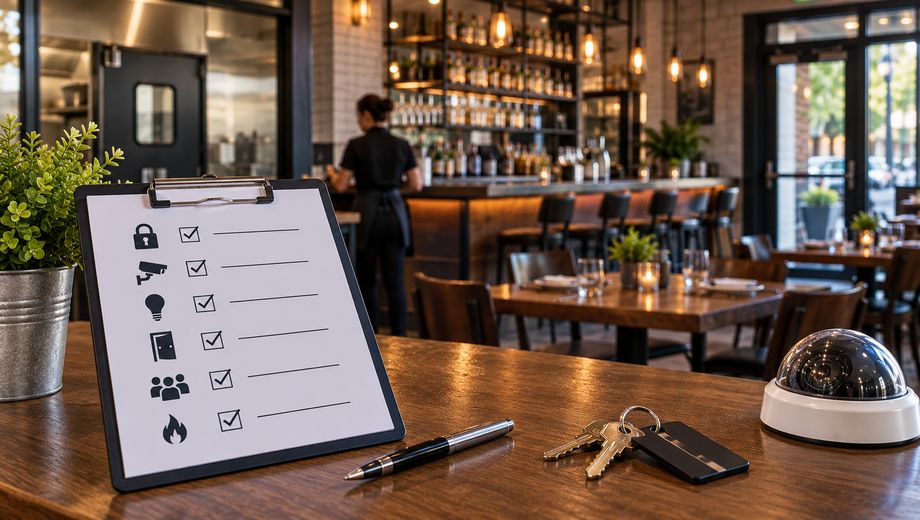
Restaurants and bars face unique security challenges. Employees arrive early and leave late, cash is frequently handled on-site, vendors use multiple entrances, and customers move throughout the property every day. Without the right security measures, even a small weakness can expose your business to theft, break-ins, employee access issues, and costly property damage.
Following a detailed security checklist for restaurants and bars can help business owners identify vulnerabilities and protect employees, customers, inventory, equipment, and cash.
1. Inspect Every Exterior Door
Start by checking all exterior doors, including:
- Main customer entrances
- Employee entrances
- Kitchen doors
- Delivery entrances
- Patio gates
- Emergency exits
- Storage room doors
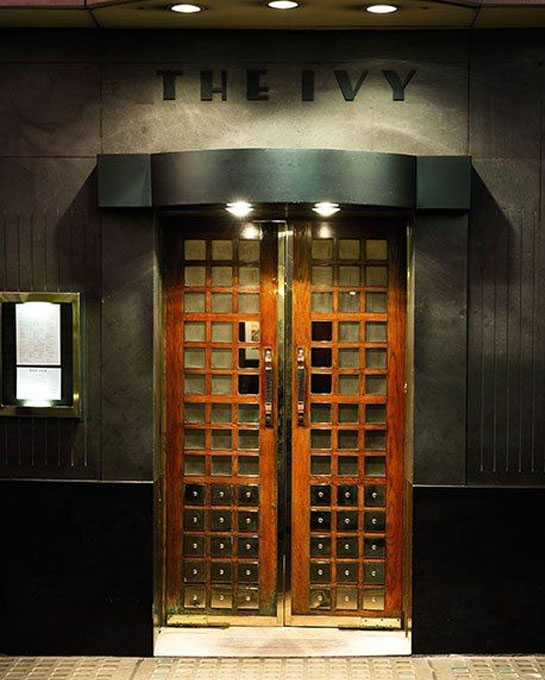
Make sure each door closes completely and locks without requiring employees to pull, lift, or push it into place. A door that does not latch properly can remain unsecured even when employees believe it is locked.
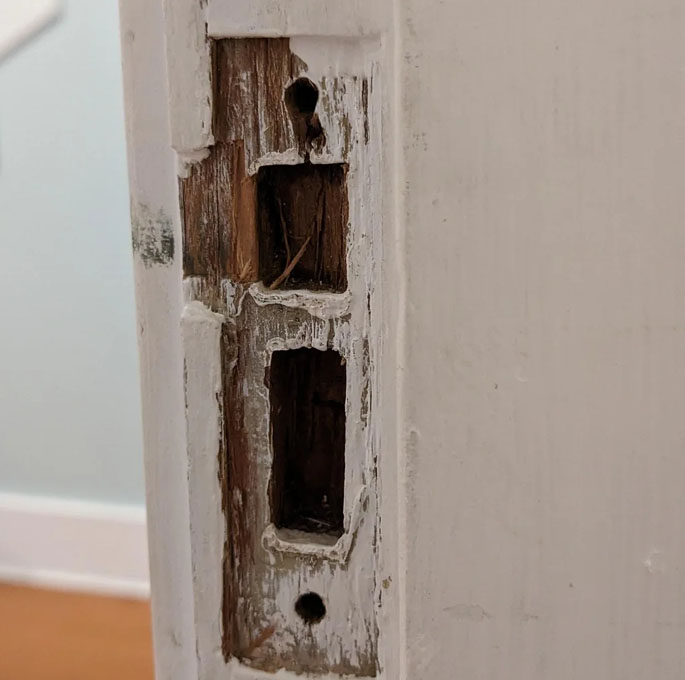
Look for loose hinges, damaged frames, worn locks, cracked glass, and signs that someone may have attempted to force the door open.
A commercial locksmith can inspect the door, lock, frame, and hardware to determine whether repairs or upgrades are needed.
2. Rekey the Locks After Staffing Changes
Restaurants and bars often experience frequent employee turnover. Former managers, bartenders, kitchen employees, cleaning crews, and vendors may still have copies of the business keys.
Whenever an employee with key access leaves the company, the locks should be rekeyed. Rekeying changes the internal configuration of the lock so old keys no longer work.
This is usually more affordable than replacing every lock and helps business owners regain control over who can enter the building.
Business owners should also maintain a written list of employees who have keys and require keys to be returned when employment ends.
3. Create a Master Key System
A master key system can simplify access while limiting which areas employees can enter.
For example:
- Servers may only need access to the main entrance.
- Kitchen managers may need access to food storage and delivery doors.
- General managers may need access to the office, cash room, liquor storage, and all exterior doors.
- Owners may need one key that opens the entire property.
A professionally designed master key system gives each employee the access they need without giving everyone access to sensitive areas.
Restricted key systems can provide additional protection by making unauthorized key duplication more difficult.
4. Secure Liquor, Food, and Supply Storage Areas
Liquor, premium ingredients, kitchen equipment, and restaurant supplies can represent thousands of dollars in inventory. Storage rooms should have commercial-grade locks and should remain locked when they are not being actively used.
Only authorized managers and employees should have access to liquor storage, freezers, dry storage rooms, and supply closets.
If inventory shortages are becoming a problem, consider installing access control systems that track when doors are opened and which employee credentials were used.
5. Protect the Manager’s Office and Cash Storage Areas
The manager’s office often contains sensitive business information, employee records, checks, cash, keys, security system controls, and computer equipment.
This office should have a high-quality commercial lock, and access should be limited to owners and authorized managers.
Cash drawers, deposit bags, and daily receipts should be placed inside a commercial safe rather than left in a desk or filing cabinet.
The safe should be securely anchored so it cannot easily be removed from the building.
6. Check Panic Bars and Emergency Exit Hardware
Emergency exits must allow employees and customers to leave the building quickly during a fire or other emergency.
Inspect all panic bars and exit devices to make sure they operate smoothly. The door should open when the panic bar is pushed and close securely afterward.
Never use chains, padlocks, furniture, or other objects to block emergency exits.
Damaged or malfunctioning panic hardware should be repaired promptly by a commercial locksmith. Properly functioning exit hardware helps improve building security while supporting safe emergency evacuation.
7. Install Access Control for Employee Entrances
Traditional keys can be copied, lost, or passed between employees. An electronic access control system allows employees to enter using a code, card, key fob, or mobile credential.
Access control systems can help restaurant and bar owners:
- Add or remove employee access quickly
- Limit access based on job responsibilities
- Track entry activity
- Restrict access during certain hours
- Eliminate the need to distribute large numbers of keys
When an employee leaves, their credential can be deactivated without rekeying the entire building.
Access control is especially helpful for businesses with multiple managers, changing shifts, cleaning crews, and outside vendors.
8. Improve Security Around Patio and Outdoor Areas
Restaurants and bars with patios, rooftop seating, outdoor storage, or fenced areas should include these spaces in their security plan.
Check patio gates, fence locks, outdoor storage rooms, and side entrances. Make sure customers cannot accidentally enter employee-only areas or access the property after closing.
Outdoor gates should use weather-resistant commercial locks that can withstand frequent use and changing weather conditions.
9. Review Closing Procedures
Many restaurant and bar break-ins happen after closing. A consistent closing checklist can reduce the chances that an entrance is accidentally left unsecured.
The closing manager should verify that:
- All customers have exited
- Restrooms have been checked
- Exterior doors are locked
- Patio gates are secured
- Delivery entrances are locked
- Windows are closed
- Cash has been placed in the safe
- Alarm systems are activated
- Emergency exits are secure but not improperly blocked
- No unauthorized individuals remain inside
The final employee leaving the building should never assume another employee locked the doors.
10. Secure Delivery and Vendor Access
Restaurants regularly receive deliveries from food distributors, beverage companies, linen services, maintenance providers, and other vendors.
Avoid leaving a hidden key outside or giving permanent keys to multiple vendors. Instead, schedule deliveries during staffed hours or use an access control system that provides temporary or time-limited access.
Delivery doors should remain locked when they are not being used. Employees should also verify the identity of vendors before allowing them into restricted areas.
11. Upgrade Weak or Outdated Locks
Basic residential locks are not designed for the heavy use and security demands of a restaurant or bar.
Commercial doors should use durable locks that can withstand repeated daily operation. Depending on the property, recommended upgrades may include:
- Commercial deadbolts
- Mortise locks
- High-security cylinders
- Restricted key systems
- Electronic keypad locks
- Access control systems
- Reinforced strike plates
- Door closers
- Panic bars
A commercial locksmith can recommend hardware based on the door type, building layout, employee access needs, and level of risk.
12. Schedule a Professional Security Assessment
Business owners may overlook vulnerabilities because they see the same doors and locks every day. A professional locksmith can examine the property from a security perspective and identify weak entry points, damaged hardware, poor key control, and access issues.
A commercial security assessment may include:
- Exterior door inspections
- Lock evaluations
- Employee access planning
- Master key system recommendations
- Emergency exit hardware inspections
- Safe placement recommendations
- Access control options
- Door and frame reinforcement
Addressing small issues early can help prevent more expensive problems later.
Commercial Locksmith Services for Restaurants and Bars in San Antonio
Keymex Locksmith Services helps restaurants, bars, cafés, nightclubs, and other hospitality businesses improve their property security. Our commercial locksmith services in San Antonio include lock repairs, lock replacements, rekeying, master key systems, access control, panic bar services, commercial door hardware, and safe services.
Whether you are opening a new restaurant, changing management, dealing with lost keys, or upgrading an older security system, our locksmiths can help you create a practical security plan for your property.
Contact Keymex Locksmith Services to schedule commercial locksmith services for your restaurant or bar in San Antonio.
📍 Serving all of San Antonio and surrounding areas
📞 Call Keymex Locksmith now or request a quote online
Call now or request a quote online. Contact Keymex Locksmith at (210) 300-7056.