What to Do Immediately After Your Car Keys Are Stolen
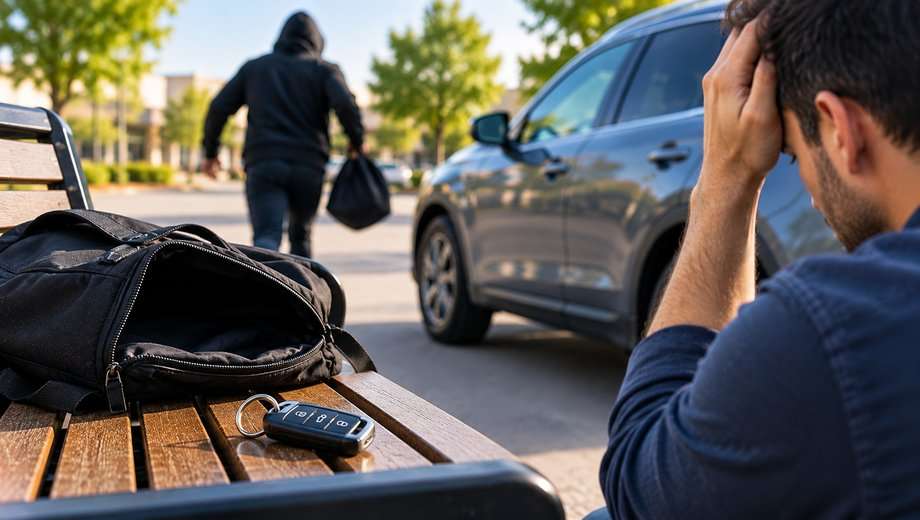
Having your car keys stolen can leave you feeling vulnerable, especially when the person who took them may know which vehicle they belong to. Unlike simply losing your keys, theft creates an immediate security risk because someone may intentionally try to access or steal your vehicle.
Acting quickly can help protect your car, personal belongings, home, and family. Follow these steps immediately after discovering that your car keys have been stolen.
1. Move Away From the Location Safely
If your keys were taken during a robbery, confrontation, or suspicious encounter, focus on your personal safety first.
Move to a secure, populated location and avoid confronting the person you believe stole the keys. Call 911 when there is an immediate threat, the theft is in progress, or you feel unsafe.
Do not attempt to follow or physically stop the suspected thief. Your vehicle can be replaced or recovered; your personal safety is more important.
2. Check Whether the Vehicle Is Still There
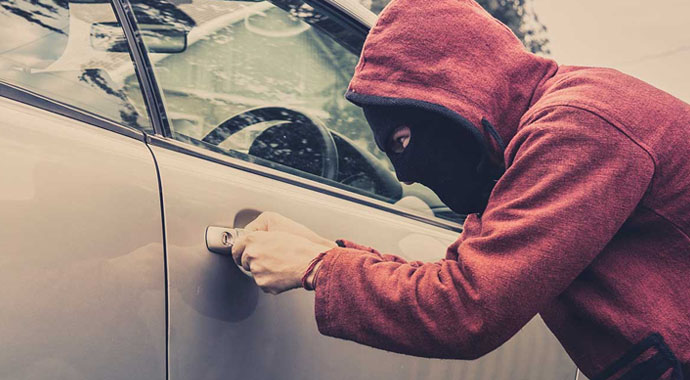
Once you are in a safe location, confirm whether your vehicle is still parked where you left it.
Do not approach the vehicle if someone suspicious is standing nearby or sitting inside it. Contact law enforcement and provide your vehicle’s location, description, license plate number, make, model, and color.
When the vehicle is still present, act quickly to prevent the stolen keys from being used.
3. Call the Police and File a Report
Report the stolen keys to the local police department. A police report creates an official record of the theft and may be needed for an insurance claim.
Provide as much information as possible, including:
- When and where the keys were stolen
- A description of the key and key fob
- Your vehicle’s year, make, model, and color
- The license plate number
- The vehicle identification number, when available
- Any identifying keychains or tags
- Whether house, office, mailbox, or safe keys were attached
- A description of the suspected person
- Information about witnesses or surveillance cameras
Keep the police report number for your records.
4. Do Not Leave the Vehicle Unprotected
When a thief has a working car key or remote fob, locking the doors may not be enough. The stolen key may still unlock and start the vehicle.
When possible, park the vehicle inside a locked garage or move it to a secure, well-lit location. Ask law enforcement or property security personnel for assistance when necessary.
If you do not have another working key, contact an automotive locksmith for emergency assistance. The locksmith may be able to create a replacement key and remove the stolen key from the vehicle’s electronic system.
If the security risk cannot be corrected immediately, consider having the vehicle towed to a secure location.
5. Contact an Automotive Locksmith
A professional automotive locksmith can help restore access to your vehicle and reduce the likelihood that the stolen key will continue working.
Depending on the vehicle, locksmith services may include:
- Cutting a replacement car key
- Programming a replacement transponder key
- Programming a new key fob
- Removing stolen keys from the vehicle’s memory
- Reprogramming the immobilizer system
- Rekeying or replacing door lock cylinders
- Unlocking the vehicle
- Repairing damaged ignition components
- Providing additional spare keys
Tell the locksmith that the key was stolen rather than simply lost. This distinction is important because the existing key may need to be deactivated.
You will typically need to provide proof of ownership and identification before a locksmith can make or program a replacement key.
6. Have the Stolen Key Fob Deactivated
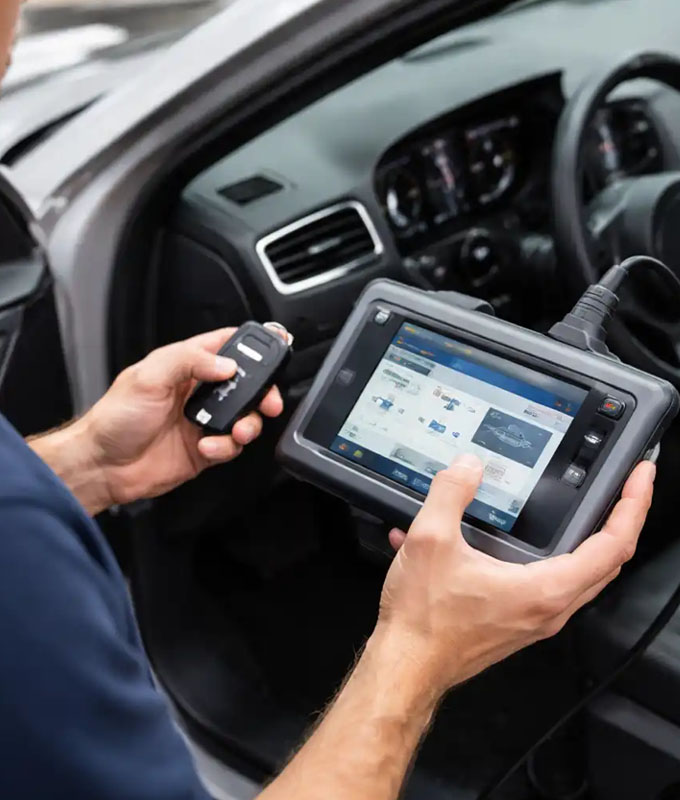
Many modern vehicles use electronic key fobs, transponder keys, proximity keys, or push-to-start systems.
Simply making a new key does not always disable the stolen one. A qualified automotive locksmith or dealership may need to erase existing keys from the vehicle’s system and program only the authorized replacements.
After reprogramming, the stolen electronic key should no longer be able to start the vehicle. Depending on the vehicle, however, the physical emergency key inside the fob may still fit the door lock.
Ask whether the door lock cylinder should also be rekeyed or replaced.
7. Consider Rekeying the Physical Door Locks
Electronic programming addresses the vehicle’s starting system, but some stolen keys include a physical blade that can manually unlock the door.
Rekeying changes the internal components of the lock cylinder so the stolen physical key no longer works.
This may be especially important when:
- The thief knows where the vehicle is parked
- Your address was attached to the keys
- Registration or identifying documents were taken
- The vehicle is regularly parked outside
- The emergency key blade can unlock the doors
- Valuable items are stored inside the vehicle
- The theft appears targeted
An automotive locksmith can determine whether the door and ignition locks can be rekeyed or whether replacement hardware is required.
8. Remove Valuables and Personal Information
Remove valuables from the vehicle as soon as it is safe to do so.
Pay particular attention to documents that reveal personal information, such as:
- Vehicle registration
- Insurance cards
- Work documents
- Garage access cards
- Parking permits
- Receipts with personal information
- Spare house keys
- Electronic devices
- Gate remotes
A thief with your car key may return later, even if the vehicle is not stolen immediately.
Avoid leaving the vehicle’s title inside the car. Store it securely at home or in another protected location.
9. Protect Your Home When House Keys Were Attached
If your house keys were attached to the stolen car keys, your home may also be at risk.
This is especially urgent when the stolen items included:
- Your driver’s license
- Vehicle registration
- Mail showing your address
- A keychain with your name or business information
- A garage door remote
- An apartment access fob
- A gate remote
Contact a residential locksmith to rekey or replace the affected locks. Rekeying prevents the stolen house key from opening the existing lock while usually allowing you to keep the current door hardware.
You should also deactivate stolen smart lock credentials, garage remotes, gate remotes, and building access fobs.
10. Disable the Garage Door Remote
Many people keep a garage door remote inside their vehicle or attached to their keys. When someone has access to both your vehicle and identifying information, the remote could provide entry to your garage and possibly your home.
Remove the stolen remote from the garage door opener’s memory and reprogram the remaining remotes.
Until the system has been reset, use the opener’s lock or vacation mode when available. Make sure the interior door between the garage and home is locked and properly secured.
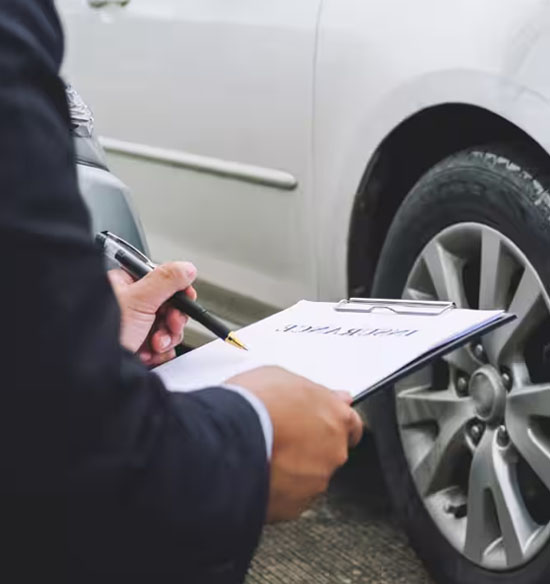
11. Notify Your Insurance Company
Contact your auto insurance provider and explain that your keys were stolen.
Your policy may provide coverage for:
- Replacement keys
- Key fob programming
- Lock rekeying
- Ignition replacement
- Towing
- Vehicle theft
- Damage caused during an attempted theft
- Personal property stolen from the vehicle
Coverage varies by policy, and deductibles may apply.
Ask whether the insurance company requires a police report, locksmith invoice, towing receipt, or other documentation.
Keep copies of all receipts and records related to the incident.
12. Check for Tracking Devices and Connected Vehicle Features
Some vehicles and manufacturer apps allow owners to:
- View the vehicle’s location
- Lock the doors remotely
- Disable certain connected features
- Receive movement alerts
- Contact roadside assistance
- Report the vehicle stolen
Review your vehicle’s mobile app or connected services account. Change the account password if your phone, login information, or related documents may have been compromised.
Do not personally track down or confront someone who takes the vehicle. Share location information with law enforcement.
13. Notify Your Workplace or Property Management
When office keys, commercial access cards, apartment fobs, parking passes, or building keys were attached, notify the appropriate manager immediately.
They may need to:
- Deactivate an access card
- Change an entry code
- Rekey a commercial lock
- Replace a mailbox lock
- Reset a gate remote
- Review security camera footage
- Alert onsite security
- Change access permissions
Fast action can prevent the stolen keys from being used to enter additional properties.
14. Review Nearby Security Camera Footage
Ask nearby businesses, apartment managers, parking facilities, or homeowners whether their security cameras captured the theft.
Useful footage may show:
- The person who took the keys
- The direction they traveled
- A vehicle used during the theft
- Whether the person approached your car
- The time the incident occurred
- Other witnesses
Provide any relevant footage to law enforcement. Avoid posting accusations or identifying someone publicly before the information has been verified.
15. Watch for Suspicious Activity
After the theft, pay attention to unfamiliar people or vehicles near your home, workplace, or usual parking location.
Consider temporarily changing where you park. Use a locked garage when available, and improve lighting around the parking area.
Additional temporary security measures may include:
- A steering wheel lock
- A wheel clamp
- A vehicle alarm
- Motion-activated lighting
- Exterior security cameras
- Parking in a monitored area
- Removing valuables from the vehicle
These measures should supplement key deactivation and lock services rather than replace them.
What Information Does a Locksmith Need?
Before creating or programming a replacement car key, a locksmith will generally need to confirm that you are authorized to access the vehicle.
Prepare the following:
- Government-issued identification
- Vehicle registration
- Proof of ownership
- Vehicle identification number
- Year, make, and model
- Current location of the vehicle
- Type of key or fob, when known
The vehicle identification number can often be found on the dashboard near the windshield, on the registration, or on insurance documents.
Can a Stolen Car Key Be Disabled?
Many electronic car keys can be removed from the vehicle’s programmed key list. Once erased, the stolen transponder key or fob should no longer start the engine.
The exact process depends on the vehicle’s year, make, model, and security system.
A physical key blade may still unlock the door unless the lock cylinder is rekeyed or replaced. Ask the locksmith to explain which functions will be disabled and whether additional lock work is recommended.
Should You Go to a Locksmith or the Dealership?
Both an automotive locksmith and a dealership may be able to replace and program vehicle keys.
An automotive locksmith may be able to come directly to the vehicle, which can help avoid towing. Locksmiths may also provide physical lock rekeying, emergency unlocking, key cutting, and onsite programming.
Some specialized or newer vehicles may require dealership equipment or manufacturer-specific procedures. A qualified locksmith can tell you whether they support your vehicle before dispatching a technician.
What If All Your Car Keys Were Stolen?
A replacement can often be made even when you do not have an existing key.
The locksmith may use the vehicle identification number, lock information, or specialized programming equipment to create and program a new key.
All-keys-lost situations may require additional labor and security procedures. Provide accurate vehicle information when requesting service so the locksmith can confirm equipment and key availability.
Stolen Car Key Checklist
After discovering that your car keys were stolen:
- Move to a safe location.
- Call law enforcement when appropriate.
- Verify that the vehicle is still present.
- Move or tow the vehicle to a secure location.
- Contact an automotive locksmith.
- Have the stolen electronic key removed from the vehicle’s system.
- Consider rekeying the physical door locks.
- Remove valuables and personal documents.
- Rekey your home if house keys were attached.
- Deactivate garage, gate, office, and apartment access devices.
- Notify your insurance company.
- Save receipts, reports, and service records.
Stolen Car Key Replacement in San Antonio
Keymex Locksmith Services provides automotive locksmith assistance throughout San Antonio for stolen, lost, broken, and malfunctioning car keys.
Our automotive locksmith services include:
- Stolen car key replacement
- Lost car key replacement
- Transponder key programming
- Car key fob programming
- Push-to-start key replacement
- Car door lock rekeying
- Vehicle lockout service
- Broken key extraction
- Ignition repair
- Duplicate car keys
When your keys have been stolen, tell our locksmith what happened so we can help determine whether the old key should be erased from the vehicle’s system and whether the physical locks require additional security work.
Contact Keymex Locksmith Services for stolen car key replacement and automotive locksmith services in San Antonio.
Call now or request a quote online. Contact Keymex Locksmith at (210) 300-7056.