How Locksmiths Open Safes Without Damage
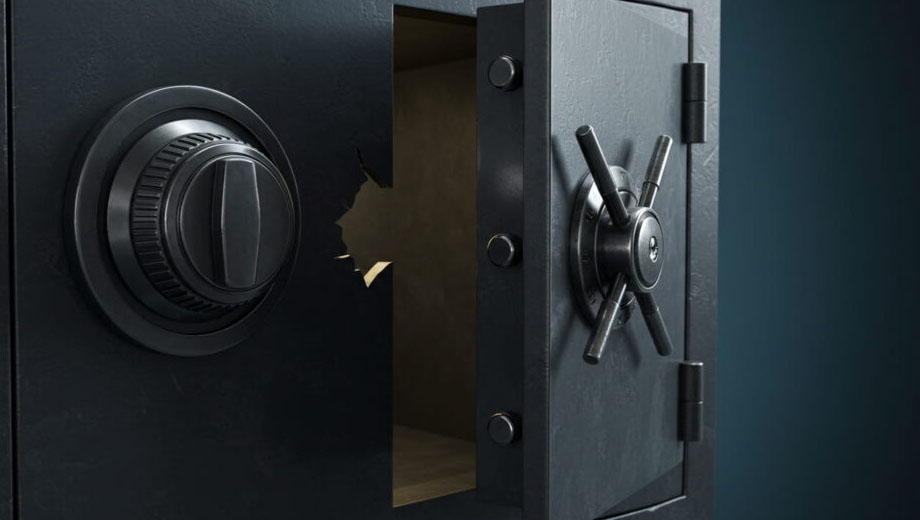
Finding yourself locked out of a safe – whether it’s a home, business, or deposit safe – can be stressful. Professional locksmiths specialize in opening safes while minimizing or avoiding damage so your contents remain intact. This post explains how reputable locksmiths approach safe opening, what to expect, and when non-destructive methods are possible.
Safety, legality & when to call a pro
- Only a licensed locksmith or the safe owner should attempt to open a safe. Locksmiths will normally verify ownership or proper authorization before proceeding.
- Trying to open a safe with improvised tools or following online “crack” methods risks damaging contents, voiding warranties, and breaking the law. Call a professional.
Non-destructive approaches (preferred)
Locksmiths always try non-destructive methods first because they preserve the safe and its locking mechanism. High-level examples of non-destructive work include:
- Authoritative troubleshooting: Confirming correct combination entry techniques and ruling out user error (sticking bolts, misaligned dial, keypad misprogramming).
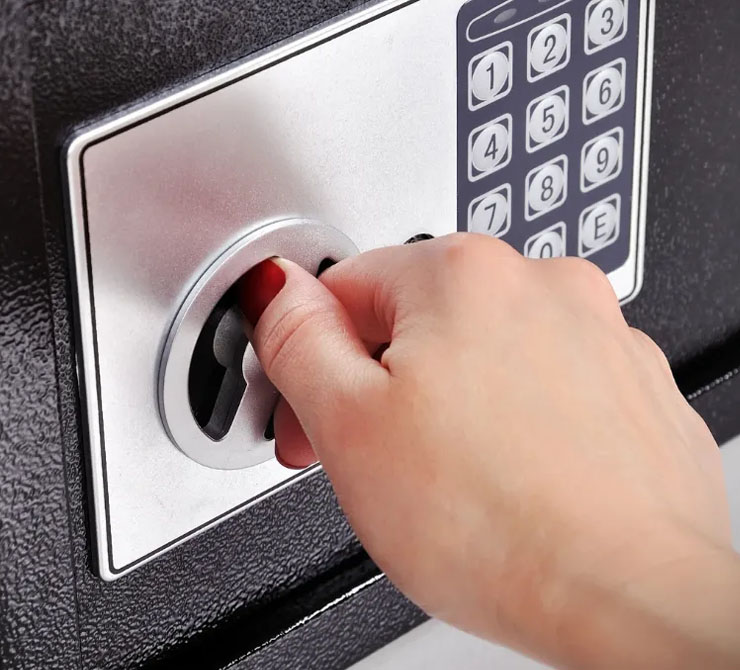
- Electronic diagnostics: For electronic keypad safes, a locksmith can diagnose and repair or reset the lock module without cutting into the safe.
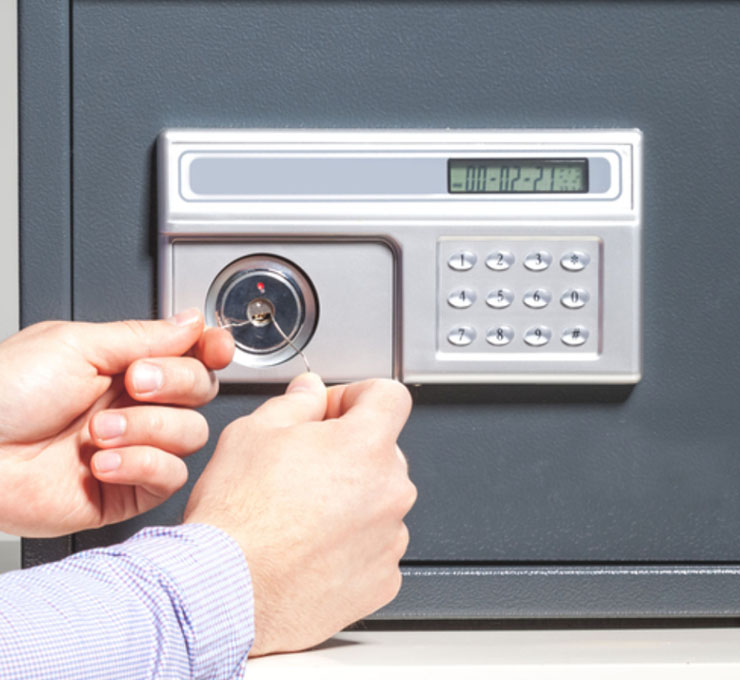
- Key override and code recovery: Many safes include physical key overrides or service keys; locksmiths can use legitimate override solutions or help recover forgotten codes using safe-manufacturer procedures.
- Mechanical manipulation by an expert: Highly experienced safe technicians can sometimes determine the combination or operating position of mechanical locks through careful manipulation; this is a skilled, time-intensive, non-destructive option.
Minimally destructive methods (when necessary)
If non-destructive options fail (for instance, if internal components are seized, corrupted, or the lock is irreparably damaged), locksmiths may use controlled, minimally destructive techniques to gain access so the safe can be repaired and restored:
- Small, targeted interventions that allow replacement of the lock or access to internal mechanisms. These methods are performed to limit cosmetic and structural damage and to preserve contents where possible.
Destructive methods (last resort)
Only when all other options are exhausted do locksmiths use fully destructive methods, such as cutting or drilling, and even then they plan the work to minimize damage and allow subsequent repair. A professional will explain why this is necessary and present options for safe repair or replacement after access.
What homeowners and businesses should expect
- Verification: Expect the locksmith to ask for proof of ownership or authorization. This is standard and protects everyone involved.
- Assessment & quote: A reputable locksmith assesses the safe and provides options (non-destructive vs. minimally destructive vs. destructive) and a cost estimate.
- Timeline: Non-destructive work may take longer (skilled manipulation, diagnostics). Destructive methods can be quicker but require repair afterward.
- Cost factors: Cost depends on safe size, lock type (mechanical vs electronic), accessibility, whether the job is residential or commercial, and how much labor/time is required. Locksmiths can often provide a ballpark range after an initial assessment.
Protecting your safe & preventing lockouts
- Keep written records of safe combinations and key locations in a secure, separate place. Consider secure digital password managers for combination records.
- When moving a safe, change codes or rekey as a precaution.
- Schedule periodic maintenance with a trusted locksmith to keep mechanical locks operating smoothly and to replace weak batteries in electronic locks before failure.
- Register your safe with the manufacturer if that service is offered – it can simplify verification and service later.
Finding a trustworthy safe technician in San Antonio
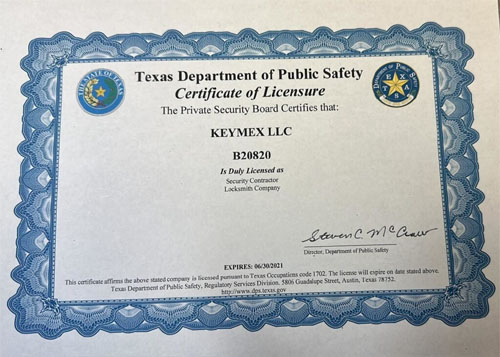
Choose licensed, insured locksmiths experienced with safes – not general handymen.
Ask for references, proof of experience opening the specific type/brand of safe you own, and a clear written estimate before work begins.
Reputable locksmiths explain the risks, the recommended method, and the preservation strategy for the safe and its contents.
Contact Keymex Locksmith for a Free Master Key System Consultation
A skilled locksmith will always prioritize non-destructive methods to open a safe, protecting both the contents and the unit itself. If you’re locked out in San Antonio, contact a licensed locksmith who specializes in safes, ask about proof-of-ownership procedures, and get a clear explanation of options and expected costs before any work begins. If you’d like, I can draft a short “what to ask your locksmith” checklist or help find qualified safe technicians in San Antonio.
Call now or request a quote online. Contact Keymex Locksmith at (210) 300-7056.